

Dry Eye Blog

If you wear contact lenses and have red eyes, your eyes are trying to warn you that there may be a problem. Sometimes eye redness may mean you're wearing your eye contacts too much, not cleaning them properly, or not changing them properly.
Allergies could be the cause as well. Sometimes red, irritated eyes are because of dry eye syndrome or poorly fitted contact lenses.
Eye redness can also be a sign of a more serious issue. A corneal ulcer, for example, needs treatment immediately. It's important to see your doctor so they can determine the cause of your eye redness.

Blepharitis is a common eyelid inflammation caused by clogged oil glands. Symptoms include red, itchy, and crusty eyelids, blurry vision, and a feeling of something in the eye.
Risk factors include poor eyelid hygiene, bacterial infections, allergies, and certain health conditions.
Treatment focuses on managing symptoms, as there's no cure. This often involves cleaning eyelids with warm water and prescribed eyelid cleanser, along with antibiotic ointments or oral antibiotics in severe cases.
Prevention includes maintaining good eyelid hygiene, avoiding eye rubbing, and using gentle face washes.
While blepharitis can be uncomfortable, it usually doesn't cause permanent vision damage.

Neurotrophic keratitis is a condition that affects the cornea, the surface of the eye, due to damage to the nerves around the eye. This damage can cause the cornea to break down and develop ulcers.
Here are some of the key points:
- Causes: Contact lens overuse, chronic use of certain eye drops, dry eye, shingles, diabetes, and previous eye surgery.
- Symptoms: Blurred vision, feeling like something is in your eye, redness, and irritation.
- Diagnosis: Doctors will examine your eye and test your corneal sensitivity.
- Treatment: Treatment depends on the severity of the condition and may include artificial tears, antibiotics, ointments, and bandage contact lenses.

Eye strain is a common discomfort characterized by tired and strained eyes, often caused by various factors such as prolonged digital device use, long-distance driving, exposure to bright light, underlying eye problems, stress, or fatigue. Wearing contact lenses can also contribute to eye strain due to reasons such as poor-fitting contacts, uncorrected refractive errors, overuse, dry eyes, or digital eye strain. Poorly fitting contacts can lead to irritation and discomfort, emphasizing the importance of contact lens exams and fittings. An uncorrected refractive error, such as presbyopia, can also cause eye strain, particularly during close-up tasks. Overusing contact lenses, wearing them past their expiration date, or sleeping with them increases the risk of eye strain and potential infections. Adhering to prescribed wearing schedules, replacing lenses regularly, and avoiding sleeping with contacts can help prevent discomfort and complications.
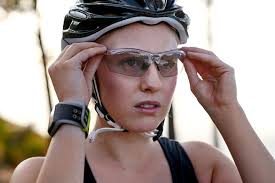
Consider a basketball player who effortlessly targets the hoop from half-court or a race car driver who skillfully maneuvers amidst competitors, securing victory by mere milliseconds. Their secret weapon? It might not solely rely on brawn or sheer speed; rather, it could lie within their eyes.
Achieving athletic greatness transcends mere physical prowess. Vision emerges as a pivotal yet often overlooked element in an athlete's journey. From enhancing concentration and focus to refining hand-eye coordination and depth perception, an athlete's vision serves as a cornerstone of their performance.
However, when an individual's vision falls short of optimal functioning, it can detrimentally impact their sports performance. Professional interventions such as vision therapy prove instrumental in augmenting visual skills, thereby elevating an athlete's performance by optimizing the synergy between their eyes and brain.
Read more!

Dry eye disease, also known as dry eye, is a condition characterized by insufficient hydration of the eyes due to problems with the tear film. This can lead to various discomforting symptoms, including blurry vision, eye fatigue, burning sensations, watery eyes, light sensitivity, and difficulty driving at night. The tear film consists of three layers (mucus, water, and oil) that work together to keep the eyes clean, protected, and free of debris. Issues with any of these layers can result in dry eyes. Factors contributing to dry eye include age (particularly over 65), medical conditions such as diabetes and thyroid problems, pregnancy, medication use (such as antihistamines and antidepressants), and environmental conditions like wind, smoke, dry air, and prolonged computer use without rest. Dry eye typically occurs due to decreased tear production or increased tear evaporation. If you're experiencing dry eyes and blurry vision, it's essential to seek assessment from eye care professionals like those at Heartland Eye Consultants, who can provide a tailored treatment plan for relief.