DRY EYE TREATMENT AT The Eye Center At Jackson
During a dry eye examination at our eye care center in Jackson, we will recommend dry eye treatments tailored to treat your symptoms and provide lasting relief. We are dedicated to ensuring that you enjoy clear and comfortable vision so that you can live your best life. Whether you have chronic dry eye or a recent dry eye issue, we have the right treatment plan for you.
Jackson Dry Eye Treatments
The Eye Center At Jackson has some of the most cutting-edge and advanced technologies to quickly and effectively test for dry eye syndrome.
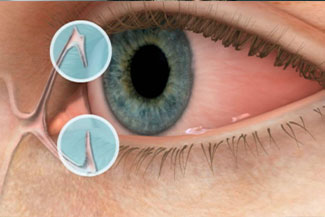
Among our treatments for dry eye syndrome, the most typical treatments start with medicated eye drops, anti-inflammatory drops, or a heated compress. Occasionally, tiny devices called punctal plugs are inserted into the eye’s tear duct to prevent moisture from draining out of the eye. These plugs increase the moisture level for long-term relief.
Let Dr. Rajeev Raghu and the talented, experienced staff help get you started on the path to real long-term relief from dry eye.
What is Dry Eye?

Dry eye is a common and often chronic problem, particularly in older adults. With each blink of the eyelids, tears spread across the front surface of the eye, known as the cornea. Tears provide lubrication, reduce the risk of eye infection, wash away foreign matter in the eye and keep the surface of the eyes smooth and clear. Excess tears in the eyes flow into small drainage ducts in the inner corners of the eyelids, which drain into the back of the nose. Dry eyes can occur when tear production and drainage is not in balance.
Diagnosis
Dry eye is a common and often chronic problem, particularly in older adults. With each blink of the eyelids, tears spread across the front surface of the eye, known as the cornea. Tears provide lubrication, reduce the risk of eye infection, wash away foreign matter in the eye and keep the surface of the eyes smooth and clear. Excess tears in the eyes flow into small drainage ducts in the inner corners of the eyelids, which drain into the back of the nose. Dry eyes can occur when tear production and drainage is not in balance.
Dry eyes can be diagnosed through a comprehensive eye examination. Testing with emphasis on the evaluation of the quantity and quality of tears produced by the eyes may include:
- Patient history to determine the patient’s symptoms and to note any general health problems, medications or environmental factors that may be contributing to the dry eye problem.
- External examination of the eye, including lid structure and blink dynamics.
- Evaluation of the eyelids and cornea using bright light and magnification.
- Measurement of the quantity and quality of tears for any abnormalities. Special dyes may be put in the eyes to better observe tear flow and to highlight any changes to the outer surface of the eye caused by insufficient tears.
With the information obtained from testing, a doctor of optometry can determine if you have dry eyes and advise you on treatment options.

Treatment
Treatments for dry eyes aim to restore or maintain the normal amount of tears in the eye to minimize dryness and related discomfort and to maintain eye health. Dry eyes can be a chronic condition, but a doctor of optometry can prescribe treatment to keep your eyes healthy and comfortable and to prevent your vision from being affected. The primary approaches used to manage and treat dry eyes include adding tears using over-the-counter artificial tear solutions, conserving tears, increasing tear production, and treating the inflammation of the eyelids or eye surface that contributes to the dry eyes.
- Adding tears. Mild cases of dry eyes can often be managed using over-the-counter artificial tear solutions. These can be used as often as needed to supplement natural tear production. Preservative-free artificial tear solutions are recommended because they contain fewer additives, which can further irritate the eyes. People with dry eyes that don’t respond to artificial tears alone will need to take additional steps to treat their dry eyes.
- Conserving tears. Keeping natural tears in the eyes longer can reduce the symptoms of dry eyes. This can be done by blocking the tear ducts through which the tears normally drain. The tear ducts can be blocked with tiny silicone or gel-like plugs that can be removed if needed. Or a surgical procedure can permanently close the tear ducts. In either case, the goal is to keep the available tears in the eye longer to reduce problems related to dry eyes.
- Increasing tear production. A doctor of optometry can prescribe eye drops that increase tear production. Taking an omega-3 fatty acid nutritional supplement may also help.
- Treating the contributing eyelid or ocular surface inflammation. A doctor of optometry might recommend prescription eye drops or ointments, warm compresses and lid massage, or eyelid cleaners to help decrease inflammation around the surface of the eyes.
Prevention
You can take the following steps to reduce symptoms of dry eyes:
- Remember to blink regularly when reading or staring at a computer screen for long periods of time.
- Increase the humidity in the air at work and at home.
- Wear sunglasses outdoors, particularly those with wraparound frames, to reduce exposure to drying winds and the sun.
- Nutritional supplements containing essential fatty acids may help decrease dry eye symptoms in some people. Ask your doctor if taking dietary supplements could help your dry eye problems.
- Avoiding becoming dehydrated by drinking plenty of water (8 to 10 glasses) each day.
- Avoid air getting blown in your eyes by directing car heaters away from your face.
- Avoid environments that are drier than normal, such as deserts, airplanes, and places at high altitudes.