
Myopia Management Blog

Modern genetic testing is truly incredible. Today, we can screen for genetic diseases and begin treatment much earlier than in the past, allowing many potentially affected individuals the chance to enjoy a higher quality of life.
One of the leading corneal genetic disorders today is keratoconus, a condition that impacts millions of Americans every year. This is a condition in which the cornea bulges outward into a cone shape. According to the Cornea Research Foundation of America, keratoconus affects 54.5 per 100,000 people. A person with keratoconus may experience a number of vision related issues including but not limited to:
- Blurry or Cloudy Vision
- Light Sensitivity
- Double Vision
What Does AvaGen Genetic Testing Screen for Exactly?
AvaGen Genetic Testing looks at over 75 genes and 2,000 variants. It is designed to put the risk of keratoconus and other corneal disorders into perspective based on actual data. One of the best parts about this type of testing is that It’s personalized which means that it focuses on your unique genetics.


Ortho-K lenses (short for orthokeratology) lenses are special gas-permeable lenses designed to reshape the cornea. The patient wears the lenses overnight and when they remove them in the morning, they will be able to enjoy clear vision throughout the day without using glasses or daytime contact lenses.
Ortho-K lenses can correct a variety of eye conditions including astigmatism, myopia, and hyperopia. Here are seven things you may not have known about corneal reshaping and Ortho-K lenses.
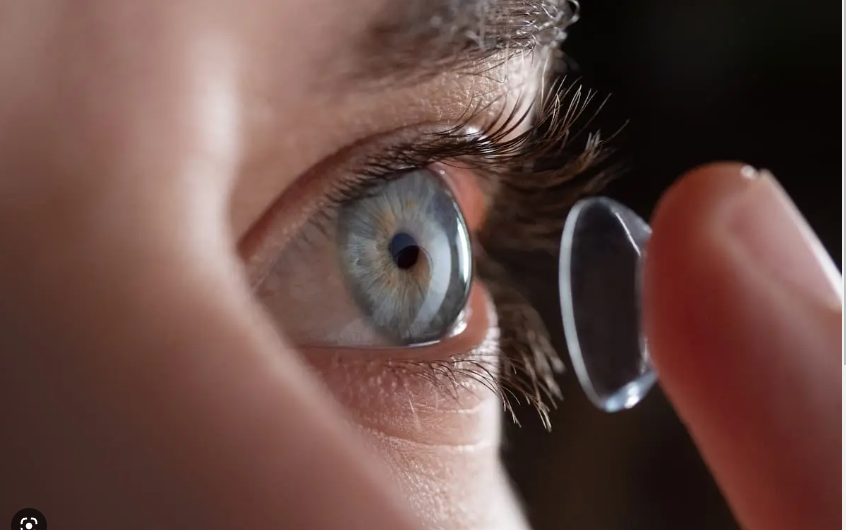
Switching from glasses to scleral contact lenses can take some time and adjustment. Scleral lenses are larger than traditional contact lenses and are designed to correct more severe vision problems, such as keratoconus and severe dry eye. Unlike traditional contact lenses, scleral lenses are filled with a solution before being placed on the eye, which can take some getting used to.
It's not uncommon for it to take a few weeks to adjust to scleral lenses, as the larger size and filling solution can feel foreign to the eye at first. The eye doctor will provide instructions on how to properly insert, remove, and care for the lenses, as well as how to monitor for any potential complications.

Nuclear sclerosis refers to cloudiness, hardening, and yellowing of the central region of the lens in the eye called the nucleus.
Nuclear sclerosis is very common in humans. It can also occur in dogs, cats, and horses. It usually develops in older peopleTrusted Source. These changes are part of the aging process of the eye.
If the sclerosis and clouding is severe enough, it’s called a nuclear cataract. For vision affected by the cataract, the usual correction is surgery to remove the clouded lens and replace it with an artificial lens.

Amblyopia—or lazy eye—is often associated with crossed eyes or is a large difference in the degree of nearsightedness or farsightedness between the two eyes. It usually develops before age 6 and does not affect side vision. Eyeglasses or contact lenses cannot fully correct the reduced vision caused by amblyopia if vision was not developed within the critical period.

What Is Astigmatism?
Normally, the front of your cornea curves to fit the surface of your eye. Astigmatism is when one area is flatter than the other. As light tries to pass through the cornea to the retina, the uneven surface of your cornea misdirects it. This causes blurry vision.
The most common symptom of astigmatism is blurry vision. It can be very distracting and debilitating to deal with. Simple tasks like reading a book or being on the computer are a struggle with astigmatism. You may also notice other symptoms like eyestrain, headaches, and eye irritation.
If you’ve had a checkup with your eye doctor, they likely gave you three options for treating astigmatism: prescription glasses, contact lenses, or eye surgery. What they didn’t tell you was that there are natural ways you can treat your astigmatism that won’t cost a penny. Eye exercises and taking vision-boosting vitamins can improve your vision.